Showing posts with label vegan. Show all posts

Wednesday, January 8, 2014

Dark chocolate truffles with balsamic & tamari

Though I've never actually made a list, this is definitely one of my top 5 all time favorite recipes. I make these truffles for exquisite parties, as gifts for family and friends, and sometimes just to have on hand for when I'm in need of a decadent & healthy treat.

This recipe for dark chocolate truffles was inspired by the talented Renee Loux. The truffles are vegan, gluten-free, and raw with the exception of maple syrup and vanilla extract. Notes of balsamic vinegar and tamari bring out an incredible tang in the chocolate and the magical synergy between raw cacao and vanilla bean give them further complexity. Try them once and you'll never forget them.


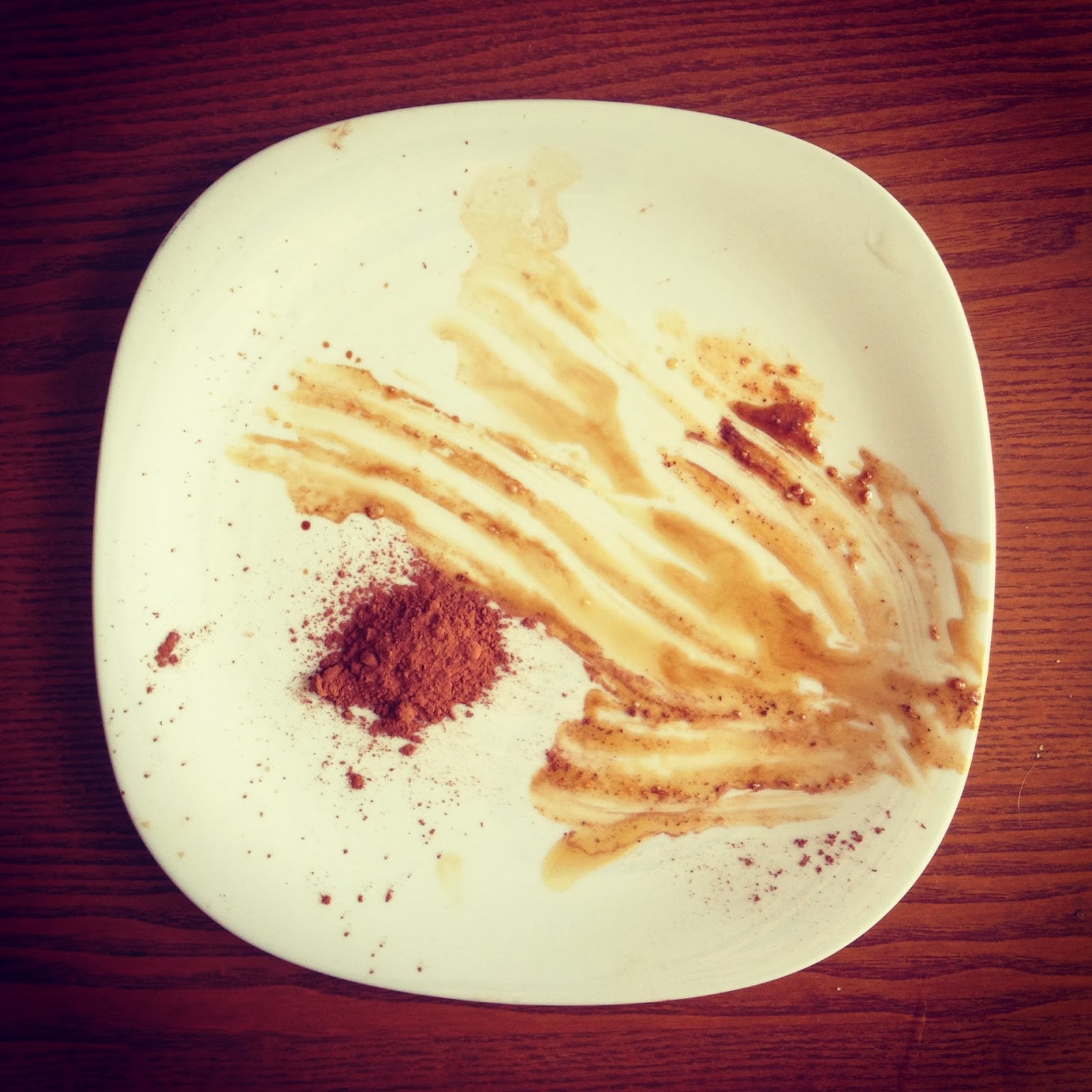


Dark chocolate truffles with balsamic & tamari

  • 2/3 cup raw cashew butter or raw almond butter
  • 1 cup maple syrup
  • 4 Tbsp. coconut butter
  • 1 Tbsp. good quality balsamic vinegar
  • 2 tsp. good quality tamari, Nama Shoyu is best
  • 1 tsp. vanilla extract
  • Seeds from one vanilla bean
  • 1.5 cups raw cacao powder, plus for as needed
  • Cacao powder for dusting


Begin by softening the coconut butter in a heatproof jar or glass placed in a bowl of hot water. Combine the nut butter, maple syrup, coconut butter, balsamic vinegar, tamari, vanilla extract and vanilla bean in a medium bowl, stirring until well mixed and smooth. 

Sift the cacao powder (this is important to remove any lumps!) into the bowl and mix to thoroughly incorporate. Use a sturdy spoon as the mixture will get quite stiff. Add more cacao if necessary to achieve a smooth thick base. If the mixture is not stiff enough to handle, refrigerate for 30 minutes to an hour to help it solidify.

Roll 1.5 Tbsp. into balls and roll in a shallow dish of cacao powder to coat. Alternately roll in coconut flakes or hemp seeds. Store in a sealed container the fridge or freezer. For best flavor, allow the truffles to return to room temperature before eating. Makes about 24 truffles. Enjoy!


Sunday, November 24, 2013

Raw mini cheesecakes with spiced raspberry & cherry sauce


These mini cheesecakes are delightful! So cute, fun to make, and perfectly delicious. They are raw, vegan, gluten-free, and nut-free. Notes of cinnamon, nutmeg, and cardamom infuse them with a holiday spirit and they're a great dessert to add to your friendsgiving and thanksgiving spread. The recipe was inspired by Elenore Bendel Zahn of the Earthsprout blog.


Raw Mini Cheesecakes
makes seven minis


Fig Crust:
  • scant cup of dried figs
  • 1/2 C. pepitas, preferably soaked and dried
  • 1/4 C. sunflower seeds, preferably soaked and dried
  • 1 Tb. ground flax seed
  • pinch good quality salt
  • 1-3 ts. water, as needed
Remove the tough stems from the dried figs and give them a rough chop. Place in a food processor and grind into a paste. Add the pepitas, sunflower seeds, flax, and salt and pulse until a dough forms, adding water only as necessary. Place dough between two sheets of parchment paper and roll out in to a square of 1/4 inch thickness. Cut into seven long strips. Roll them up, pressing the ends together to form cylinders. Refrigerate while making the filling and sauce.


Lemon Cardamom filling:
  • 2 small ripe bananas
  • juice + zest of half a lemon
  • 1/8 C. coconut oil, melted
  • 1/8 C. coconut butter, softened
  • 1 ts. ground cardamom
Place all ingredients in a food processor and blend until well combined. Put the filling in the freezer to firm up while making the sauce.
Spiced Raspberry & Cherry Sauce :
  • 1/8 C. dried tart cherries, soaked in water for 10 minutes 
  • 3/4 C. raspberries (thawed if using frozen)
  • 3 medjool dates
  • juice of 1 orange + 1 Tb zest
  • 1/2 ts. ground cinnamon
  • pinch nutmeg, freshly grated
  • 2 Tb. ground flax
  • 2 ts. psyllium husk
 Place all ingredients in a food processor or blender and blend until well combined. Let sit for a few minutes to allow the flax and psyllium to thicken the sauce, adding more if it is still too runny.  


Assembly:
Spoon some of the lemon cardamom cream into each of the little cheesecake crusts. Top with a dollop of the raspberry sauce and drizzle a bit on the side. Garnish with more dried cherries and a few goji berries for color. Enjoy!


Wednesday, September 25, 2013

Homemade Almond Milk


Home made almond milk can be simple yet luxurious staple in your kitchen. Easy to make, creamy and delicious, it is a great source of calcium, healthy fats, and easily digestible protein.


Almonds contain vital nutrients riboflavin and L-carnitine that support brain development, mono-unsaturated fats that regulate cholesterol and protect heart health, and numerous vitamins and minerals including phosphorous that strengthen the bones and teeth. Almonds are one of the only nuts with an alkalizing effect on the body and they have high amounts of vitamin E, great for the skin.

To summarize Paul Pitchford, author of Healing with Whole Foods, almonds have a slightly warming thermal nature that helps relieve stagnant qi energy of the lungs, and lubricate the intestines. In Ayurveda, almonds are considered one of the best nuts to consume as they help to build ojas, the essential life energy. Ayurveda advises not eating the skin of the almond which can irritate the digestive tract. 

Almond milk makes a great alternative to dairy and soy milks without the plastic bottles or tetra pak cartons. Maybe you've already been inundated with reasons to question the consumption of cow's milk (things like the undigestibility of lactose, milk's mucus forming and acidifying effects on the body, and the unethical treatment of non-human animals, to name just a few). Whether or not you choose to consume dairy milk,  homemade almond milk is a great addition to your diet. Think of it not as a substitute, but as a fabulous beverage in its own right.


Homemade Vanilla Almond Milk

  • 1/2 to 3/4 cup organic raw almonds*, soaked 8-24 hours (I do this overnight)
  • 1 quart water
  • 2 large dates, pitted
  • Seeds from 1/3 of a vanilla bean or 1tsp. vanilla extract
  • Pinch sea salt
  • Blender
  • Nut milk bag or strainer + cheesecloth

To begin, measure out 1 quart of filtered water and drop the pitted dates in to soften. 

Peel the soaked almonds. If the skins are difficult to remove pour warm water over them to loosen. I typically use 1/2 cup almonds to make 1 quart of milk. A 3/4 cup of nuts will make a slightly richer milk.

Place almonds plus about half of the water in the blender and blend thoroughly (about a minute) until almonds are very finely ground. Strain out the almond pulp using a nut milk bag or a strainer lined with cloth. (**Reserve the pulp! See below) Alternately leave the pulp un-strained for a chunkier milk. 

Return the strained almond milk to the blender and add the remaining water, dates, vanilla, and salt. Blend until well mixed. Enjoy the milk right away! Pour the rest into a quart jar to store in the fridge for up to 5 days.  

* I strongly recommend the use of organic almonds that have never been roasted or pasteurized. Most almonds in the U.S. are required by law to undergo either steam treatment or fumigation with propylene oxide (PPO) before sale to consumers due to fear of salmonella outbreaks. Beside the fact that PPO is a toxic gas, these processes also mean that the almonds will no longer sprout. Sprouting your almonds is an essential process that begins the process of germination, removes enzyme inhibitors that block digestion, and boosts nutritional content.


** There are SO many things you can make with the leftover almond pulp! Save it in the freezer until you have enough for a batch of almond hummuscrackers  or cookies. Do a google search on "almond pulp recipes" and you'll find tons more exciting things to try. Aaaaaand I'm working on a vegan marzipan using almond pulp so stay tuned!


You can use this incredible milk in smoothies, over granola and oatmeal, and it is delicious on it's own. Here, almond milk is served alongside oatmeal with goji berries, coconut manna, and fresh figs. A fabulous fall breakfast!


Saturday, September 7, 2013

Sweet potato + arugula + avocado


Here's a simple version of one of my favorite combos (I wrote about it before here). This plate made a perfect late brunch on Saturday, my day off yoga and thus day to sleep in and enjoy the morning at home. The recipe is so sweet and easy that you don't even need to think about measurements.


Arugula and bib lettuce with browned sweet potato and avocado

Wash, dry and plate some fresh arugula plus any other greens you have on hand (Here I used arugula from my garden and some local bib lettuce). Lightly drizzle with olive oil (the avocado will be the main source of fat here) and sprinkle with spirulina powder, smoked sea salt (plain sea salt works too) and cracked black pepper. 

Fill a small lidded pot with about 1" of water and heat to boil. Slice some sweet potato into rounds or half moons and add to the pot. Cover and steam until softened but not mushy. Heat 1Tb coconut oil in a cast iron skillet. Transfer the sweet potato to the skillet and cook several minutes on each side until nicely browned. 

Place the browned sweet potato rounds over the greens and top with sliced avocado. Voila!


Sunday, August 18, 2013

Blueberry-peach coconut milk ice cream


I've been wanting to try making a coconut milk icecream for some time now as a dairy-free summertime treat. It is as simple to make as it is delicious and even the dairy lovers in your life will find it delectable!


I used fresh blueberries and peaches because tis the season, but you could put any kind of fruit or flavoring that suits your fancy. Try a classic strawberry & cream, or blackberry + lavender, or mint-from-the-garden + chocolate chips, or toasted pepitas + mango. Go wild!


coconut palm sugar


I sweetened my ice cream with organic coconut palm sugar, a minimalliy processed, unbleached natural sweetener that I prefer to refined cane sugar. Palm sugar has a lower glycemic index, producing a slower, sustained energy release than white sugar (which results in a spike and crash). It is rich in nutritive minerals including potassium, magnesium, zinc and iron and is a natural source of B and C vitamins. I love the caramely sweetness it lends to my desserts.


adding the blueberries, then the peaches and cinnamon


Blueberry Peach Coconut Milk Ice Cream

  • 2 cans coconut milk
  • 3/4 C. coconut palm sugar, more to taste
  • 2 ts. vanilla extract or seeds from 1 vanilla bean
  • dash cinnamon
  • dash cardamom
  • 1 C. blueberries
  • 2 ripe peaches, pitted and sliced

Place the cans of coconut milk upright in the freezer for about an hour. Then, open the cans and spoon out the thick cream at the top, reserving the clear liquid at the bottom for another use (like a soup or a smoothie).

Put the coconut cream, coconut palm sugar, vanilla, and spices in the food processor and blend until smooth. Add the fruit and blend until the mixture is as smooth as you like. Alternately, stir the fruit in by hand to keep it nice and chunky.

Pour the mixture into an ice cream maker and churn according to maker's directions. Yum!


Thursday, August 1, 2013

Collard wraps with roasted red pepper dipping sauce


Collard wraps are the perfect summer food. Light yet filling, easy to make in a flash with whatever you have on hand, fun to eat, and totally gorgeous. Another dish with its own edible packaging, these wraps make a perfect picnic food and are special enough to serve for company. They can be made gluten-free, vegan, and/or raw as you like.

I use fresh, raw collards for my rolls because I love their bright color, crunch and delicious flavor. Collards greens are a cruciferous vegetable in the brassica family and are wonderfully nutritious. They are a great source of four core antioxidants: vitamin C, beta-carotene, manganese, and vitamin E, plus numerous phytonutrients that aid in relieving oxidative stress in the cells. They are rich in vitamin K (supporting the blood and bones), vitamin A and omega-3 fatty acids which have anti-inflammatory effects, high in soluble and insoluble fiber, and minerals including iron, calcium, copper, manganese, selenium and zinc. Their abundant chlorophyll purifies the liver and stops the spread of bacteria, fungi, and other microorganisms while promoting the growth of beneficial intestinal flora.

To make the wraps slice out the center stem and use each of the resulting halves for rolling, so one leaf makes two wraps. Lay one half down flat, place fillings in the center, roll it up firmly, and place on a plate seam side down (hold closed with a toothpick if desired). If you prefer, the greens may be blanched before rolling. Dunk them briefly (about 20 seconds) in boiling water then plunge into ice water to stop the cooking and maintain their bright color.

There are infinite flavor combinations to play with as far as fillings and sauces go. I vary the fillings pretty much every time I make them. Some of my go to's for collard wraps are
  • rice or bean thread noodles
  • tempeh (steamed, sauteed, or baked)
  • steamed yam or squash
  • bell pepper slices
  • grated carrot or beet
  • veggies chopped into matchsticks: radish, cucumber, beet
  • green beans, snap peas
  • saurkraut or kimchi
  • chopped lettuce/spinach/greens
  • fresh herbs: basil, cilantro, italian parsley
  • nut spreads
  • pesto
  • sun dried tomatoes
  • sauteed mushrooms
  • hummus or other bean spread
  • sprouted nuts/seeds
  • microgreens or sprouts


Here are a few that I've made in the past couple days. I served both of these with a delicious roasted red pepper dipping sauce and I've included the recipe below.


cumin kraut
+
black rice noodles
+
tempeh
+
lettuce and cilantro
+
kabocha squash


sungold tomatoes
+
almond hummus & black sesame seeds
+
green beans
+
flat-leaf parsley
+
bean thread noodles
+
sauteed shiitakes


Roasted red pepper dipping sauce

 
This versatile sauce is practically addictive. Use it thick as a spread for crackers and toast or a dip for veggies. Thin, it tastes splendid over rice pasta or zucchini noodles, as a dressing for salads, and as a dipping sauce for your collard wraps!


  • 1 green onion
  • 1/4 cup fresh herbs of choice (I used a bit of everything I had in my garden: basil, oregano, sage, rosemary, parsley, and thyme)
  • 1 cup roasted red peppers (roast your own or use jarred peppers)
  • 3 sun dried tomatoes packed in olive oil
  • 1/4 cup extra virgin olive oil
  • 2 Tb. tahini
  • 1 Tb. red miso
  • 1 Tb. maple syrup
  • zest and juice of 1/2 a lemon
  • 1 ts. ground cumin
  • 1/2 ts. ground turmeric
  • 1/4 cup water (or to desired consistency)
  • salt and black pepper to taste
Place ingredients except salt and water in the food processor beginning with the onion and herbs, followed by the peppers and wet ingredients, and finally the spices.  Mix until well blended between each addition. Salt to taste and thin with water to desired consistency: thick to use as a spread, thin for a dressing or dipping sauce.

Monday, July 29, 2013

Microgreens!


greens from the garden

The heat of the Texas summer can be too much for lots of greens but thanks to the magical rains we've been having I've actually got some baby arugula, basil, and parsley that are doin just fine. And I got inspired to try growing some microgreens. The term microgreens is just a fancy way of saying teensy baby plants. Microgreens are especially good for your health because they are loaded with all the life force it takes to change a little seed into a full fledged plant! Studies have shown microgreens to contain up to 40 times higher amounts of nutrients than their mature counterparts (see links below).

It is important to note that microgreens are not the same thing as sprouts. Sprouts are germinated or partially germinated seeds that are not actually planted. Their production requires dark moist conditions that can also be ideal for the proliferation of dangerous bacteria. Sprouts are ready to consume within a few days and must be carefully rinsed to ensure cleanliness. I sometimes like to sprout radish and clover seeds on the kitchen counter in a mason jar with a screen for a lid.

If sprouts are like infants, microgreens are more like toddlers. Microgreens are grown in soil, peat moss, or other mediums. They require high light levels and good air circulation and take one to two weeks until they are ready to harvest. The conditions that are ideal for microgreens do not encourage the growth of dangerous bacteria and their more developed and chlorophyll-rich leaves provide an additional boost of nutrition and flavor.


My first attempts at microgreens were pea shoots and sunflower sprouts. Right now sunflower sprouts are my favorite because of their juicy, almost sweet flavor. They remind me of my gorgeous friend Megan who grows them in Olympia at a magical farm called Calliope. 


The sunshoots and pea tendrils came up great! And so delicious! Learn more about how and why to grow your own microgreens here, here and here.


homegrown sunshoots in a handwoven basket


tender pea tendrils


I've been adding them to salads, rolling them up in my wraps, using them to top soups and toast, and tossing them in green smoothies. This salad in particular was an all time favorite. A freshly made cilantro pesto thinned with water to make a dressing enhanced the flavors of the lil greens and chickpeas perfectly.


pre-tossed


Garden greens salad of
homegrown arugula, basil, parsley and sunflower shoots
+
radicchio
 + 
chickpeas
+
castelvetrano olives
+
cilantro walnut pesto dressing


tossed


Sunday, July 28, 2013

Life changing loaf of bread


Do y'all know about the life changing loaf of bread? Sarah Britton posted it on her blog My New Roots in February and since then it has become wildly popular, for good reason! I salivated over her pictures in India while I longed to be back in a kitchen and could hardly wait to try it out when I got home. The results have lived up to all my expectations.

This bread really is amazing. Studded with nuts and seeds, gluten-free, vegan, and absolutely delicious, it is versatile enough to work with both savory and sweet toppings. Use it for sandwiches, dipped in hummus or pesto, or as a treat topped with honey or jam. It is so so simple to make and you don't have to be an experienced bread baker to whip up a loaf to delight yourself and your loved ones.


Bread and spreads: life changing loaf
chickpea miso
coconut butter
+
home canned blackberry jam with lemon & thyme from last summer in Olympia
+
homegrown arugula and pea shoots


Head on over to My New Roots to check out her gorgeous photos of the life changing loaf and read about its many health benefits. And just in case you wanna stay put, below are Sarah Britton's instructions word-for-word. I made a few changes to the loaf I baked. Most notably, I used sunflower seeds and almonds that I sprouted and dehydrated to make them more digestible. Also, I don't have a silicon loaf pan so I used a regular loaf pan lined with parchment paper.


The Life-Changing Loaf of Bread
Makes 1 loaf

Ingredients:
1 cup / 135g sunflower seeds
½ cup / 90g flax seeds
½ cup / 65g hazelnuts or almonds
1 ½ cups / 145g rolled oats
2 Tbsp. chia seeds
4 Tbsp. psyllium seed husks (3 Tbsp. if using psyllium husk powder)
1 tsp. fine grain sea salt (add ½ tsp. if using coarse salt)
1 Tbsp. maple syrup (for sugar-free diets, use a pinch of stevia)
3 Tbsp. melted coconut oil or ghee
1 ½ cups / 350ml water

Directions:
1. In a flexible, silicon loaf pan combine all dry ingredients, stirring well. Whisk maple syrup, oil and water together in a measuring cup. Add this to the dry ingredients and mix very well until everything is completely soaked and dough becomes very thick (if the dough is too thick to stir, add one or two teaspoons of water until the dough is manageable). Smooth out the top with the back of a spoon. Let sit out on the counter for at least 2 hours, or all day or overnight. To ensure the dough is ready, it should retain its shape even when you pull the sides of the loaf pan away from it it.
2. Preheat oven to 350°F / 175°C.
3. Place loaf pan in the oven on the middle rack, and bake for 20 minutes. Remove bread from loaf pan, place it upside down directly on the rack and bake for another 30-40 minutes. Bread is done when it sounds hollow when tapped. Let cool completely before slicing (difficult, but important).
4. Store bread in a tightly sealed container for up to five days. Freezes well too – slice before freezing for quick and easy toast!

Wednesday, July 24, 2013

Butter lettuce rawvioli with carrot almond sauce


I love food that comes in packages. Not the plastic kind, mind you, but the kind you can eat. Spring rolls, collard wraps, raw raviolis! There's something so special about the making of these foods, a magic in wrapping and sealing up something delightful, like a secret. Only to release it again as the flavors unfold on the tongue.

Here is a second version of Rawvioli for the jewel house blog. This one features butter lettuce, a creamy walnut red pepper and oregano filling, and a delectable carrot almond sauce. It is really very simple to make, though it helps to have a food processor and a juicer for the carrots to make the sauce. You can use store-bought carrot juice if you must.


Butter Lettuce Rawviolis with Carrot Almond Sauce
adapted from The Raw Food Primer  by Suzanne Alex Ferrara


For the sauce
  • 1 cup carrot juice
  • 4 Tb. almond butter
  • 1/2 a ripe avocado
  • 2 Tb. shoyu (unpasteurized soy sauce) or tamari
  • 1 Tb. miso
  • 1 clove garlic
  • 1 Tb. maple syrup (not raw) or raw honey
  • 1/2 ts. turmeric powder
Place all ingredients in a food processor or blender. Blend until smooth, scraping down the sides and adding water to thin to desired consistency


For the rawvioli
  • 1 cup walnuts, soaked in water 8 hours (or use sprouted walnuts)
  • 1 cup chopped zucchini (about 1 medium)
  • 1 Tb. miso
  • 2 cloves garlic
  • 1 Tb. fresh oregano
  • 1 Tb fresh rosemary
  • 1 Tb. nutritional yeast
  • 1/2 cup minced red bell pepper 
  • 1/2 cup minced celery
  • salt and cracked black pepper
  • wilted butter lettuce leaves
  • basil, thinly sliced
Leave the butter lettuce leaves out of the refrigerator long enough to wilt. This gives them a slightly elastic quality that keeps them from tearing as you wrap the rawviolis.

Put the walnuts, zucchini, miso, garlic, herbs, and yeast in a food processor and blend until creamy.  Place the mixture in a bowl and stir in the finely chopped bell pepper and celery. Add salt and pepper to taste.

Remove the heavy center vein from each leaf. Place about a tablespoon of filling on a leaf and roll up into a little package. Serve atop the carrot almond sauce and flecked with basil ribbons.


Tuesday, July 23, 2013

Peach chia porridge


I've been making this chia-oat porridge lately in place of the cooked oat porridge I enjoy when the weather is cooler. It is easy to make and tastes fabulous! 

Chia seeds are an amazing food to include regularly in your diet. These wondrous seeds originated in South America have been a staple in native american diets for centuries. They are one of the richest plant-based sources of omega-3 fatty acids which reduce inflammation in the body, improve brain function, and reduce high cholesterol. They are a great source of fiber, helping to regulate the bowels and promote good digestion. Chia is rich in antioxidants that protect the body from free radicals and carcinogens, and contains minerals including calcium, phosphorus, magnesium, and manganese. Chia's combination of protein and fiber, and their gelling action gives a long lasting feeling of satiety, reducing food cravings between meals.

Basic chia porridge recipe

  • 3/8 cup oats (or just a little less than 1/2 a cup)
  • 3 Tb. chia seeds
  • 1 cup almond milk (more on how to make your own in a future post) 
Place oats and chia in a bowl and stir in the almond milk. In just minutes the chia will have soaked up much of the liquid! Let sit for a minimum of 30 minutes or overnight to fully hydrate. I like to set mine out the night before so it's all set when I'm hungry for breakfast.
 
From there, the possibilities for toppings and flavors are endless! Sweeten to taste with fresh and dried fruits and/or a nourishing sweetener like maple syrup, honey, coconut palm sugar, or stevia. Add a little something for texture and your favorite spices.

For this bowl I used:

  • 1 ripe peach, sliced
  • 1 Tb. dried goji berries
  • pinch cardamom powder
  • a sprinkling of hemp seeds
  • a couple drops of liquid stevia
  • Teensy bit of sea salt


This porridge makes a fabulous to-go breakfast too! Here's a snapshot of my post-yoga/pre-work breakfast this morning


In this bowl I added
  • dried figs
  • dried coconut
  • 1 ts. Maple syrup
  • Sea salt
  • Pinch of cinnamon
  • and a fresh red plum


Other flavor ideas: 

Banana + sprouted almonds + cinnamon

Coconut butter + fresh fig + vanilla bean

Dates + hempseed+ lemon zest

Dried apricot + orange zest/fruit + grated nutmeg

Fresh mango + cashews + goji berries

Cherries + Cacao nibs + cardamom


Sunday, July 21, 2013

Blonde macaroons


These little treats are easy to make and super delicious. In this healthy update of a classic recipe, good fats and whole sweeteners replace refined flour and white sugar. They are gluten-free and can be raw and/or vegan as you choose. This recipe is a great one to make with a child because it is so simple and rewarding. Another plus is that they travel well. I sent some on the plane with my dad, and wrapped some up in parchment as gifts for friends.

Coconut is a great source of healthy fat that nourishes the body. Though saturated fats sometimes get a bad rap, coconut oil contains medium chain fatty acids that have no negative affect on cholesterol ratios and actually help protect against heart disease. Our bodies use the medium chain fatty acids for energy instead of storing them as fat so it supports improved endurance and relieves fatigue. Coconut contains a large amount of lauric acid, the predominant fatty acid found in mother's milk, which exhibits antiviral, antimicrobial, antiprotozoal and antifungal properties and supports the immune system. Coconut is high in fiber and has a low glycemic index, helping to slow the body's absorption of sugars. This nourishing fat supports the absorption of many nutrients including vitamins, minerals, and amino acids. Coconut oil is also a wonderful moisturizer for the skin and hair, especially during the summer months when we are exposed to more sun. It acts as a sunscreen, improves the lipid content of the skin, and contains antioxidant vitamin E. I love to use it on my whole body!


Blonde Macaroons 
based on a recipe by the fabulous chef Renee Loux


  • 3 cups dessicated coconut
  • 2 Tb. raw cashew butter
  • 2 Tb. coconut butter
  • 4 to 6 Tb. raw honey and/or maple syrup (to keep it raw use honey, to keep it vegan use maple syrup. I used a combination of the two)
  • 1 ts. vanilla extract or the seeds of 1 vanilla bean
  • 1 ts. ground cinnamon
  • Pinch of good quality sea salt

Grind 1 cup of the coconut in a food processor until it becomes a fine powder. 

Add the cashew butter, coconut butter, sweetener, vanilla, cinnamon, and salt and blend well. Place mixture in a large bowl and fold in the rest of the shredded coconut. I found it easiest to use my hands to really get in there and mix it up! 

Roll the dough into 2 tablespoon sized balls. For raw macaroons dehydrate at 112 degrees F for 12-24 hours until they are as dry as you desire, or place in the freezer until firm. Alternately, bake them at your oven's lowest setting for 2 hours until a crust forms. 


Young coconut bounty in Bangalore India where you can buy them on the street for about 30cents! I miss thiss!

Sunday, July 14, 2013

Raw ravioli


Raw vegan ravioli featuring

watermelon radish + almond "cheese" + flat leaf parsley + smoked sea salt
and a light arugula salad dressed with extra virgin olive oil, spirulina, and smoked salt


Got some gorgeous watermelon radishes and I decided to try them as a variation of the raw foodie classic beet rawvioli. Who wouldn't love their bright green rims and rosy pink cheeks? 

Watermelon radishes are members of the Brassica family of vegetables. They contain the anti-oxidant sulforaphane which is shown to protect against numerous cancers. Fresh radish is rich in vitamin C, and contains folates, riboflavin, thiamin, and minerals including iron, magnesium, copper, and calcium. Paul Pitchford writes in Healing with Whole Foods that radish has a cooling thermal nature that moistens the lungs, cuts mucus, removes stagnation and detoxifies. Radish can relieve thick mucous (often associated with over consumption of dairy and animal products), clear the sinuses, relieve indigestion, and cool heat-induced conditions, and aid the body in purging toxins.


The radish rawvioli turned out fabulous! The lemon marinade softened them just enough to make them easy to eat with a knife and fork and kept their pink color vibrant. And the almond "cheese" is absolutely delectable. The combination of the garlic, nutritional yeast, and smoked sea salt gives it a satisfying, almost meaty depth. I really recommend using smoked salt if you can find it (Austinites won't have trouble locating it in the bulk spices at Wheatsville, Whole Foods, or Central Market) as the aroma it brings is almost intoxicatingly good. Served with a little side salad it made the perfect light supper for a warm summer evening.


Raw Ravioli
1 large watermelon radish
juice of ½ lemon
1 Tbsp. extra virgin olive oil
sea salt
Almond “Cheese”
Smoked sea salt, parsley and green onions for garnish

 1. Slice the radish into thin rounds. Ideally one would use a mandolin slicer, but if you're careful you can do it with a very sharp knife. You want them as thin as possible so take your time. Leave them circular, as I did, or stack and trim them into squares for style.
2. In a bowl, dress the radish rounds with the lemon, olive oil, and  a pinch of salt. Marinate for 1-2 hours.
3. Spoon a dollop of the almond "cheese" on one beet slice, then top it with a second slice. Repeat until you have the amount of Rawviolis you desire.
4. Garnish with parsley, green onions, and smoked sea salt.


Almond “Cheese”
Makes about 1 cup
Ingredients:
1 cup almonds, soaked and peeled
1 clove garlic, minced
2 Tbsp. green onion, minced
1 Tbsp.  nutritional yeast
zest of 1/2 a lemon
2 Tbsp. lemon juice
1 Tbsp. extra virgin olive oil 

Smoked sea salt (or regular sea salt)

1. Soak almonds in water for at least 8 hours. Drain, rinse well, and remove almond peels.
2. In a food processor, place all ingredients and blend to mix to the consistency of a thick spread, like goat cheese. Adjust seasonings to taste.


Wednesday, July 10, 2013

Warm salads and fabulous treats


Cabbage parsley slaw
 +
miso seasoned tempeh
+
ginger brown rice noodles
+
 kabocha squash
 +
lemon tahini dressing


 Cumin massaged kale with avocado and hemp
+
tamari tricolor quinoa
+
kabocha squash
+
homemade kraut
+
avocado and cilantro


This is what my lunches have looked like lately. My friend Marianne calls them "warm salads." Basically they are a blend of raw and cooked foods in a single bowl and they are so good. My body is loving the balance of textures, colors, and flavors and the infinite possibilities for variations. I start out with leafy greens, add some steamed root veggies, maybe some whole grains, rice noodles or cooked beans, lots of fresh herbs, and I top it off with a magnificent dressing or something simple like avocado and tamari.

Do you want recipes? Or are the photos inspiration enough? Lemme know will ya?
Speaking of inspiration, check out the gorgeous salads over at salad pride


And I also made...


Dark Chocolate Almond Butter Cups
with maple and mesquite


They are vegan, organic, gluten-free, healthfully sweetened, and absolutely decadent. I made raw sprouted** almond butter for the filling which also features raw mesquite powder.
  
Mesquite is a traditional food among native South and North American peoples that serves as a low sugar sweetener with the added benefits of nearly all essential amino acids, calcium, magnesium, potassium, iron and zinc. It balances blood sugar because it does not require insulin to digest or metabolize, and its dietary fiber slows the absorption of other sugars into the bloodstream (Navitas Naturals).
The mesquite I used was gifted to me by a sweet stranger who made my day with this little token of abundance. Its smokey caramel flavor tastes amazing paired with the almonds, maple syrup, and raw chocolate!

I want to share these gorgeous treats with y'all! I have a vision of having my delicious healthy foods for sale in some super cute shops around town, and catered for parties and events. I'd like to start out small and informal since so far I'm using a home (not a commercial) kitchen and don't have all the required certifications. So I'm calling in opportunities and advice!


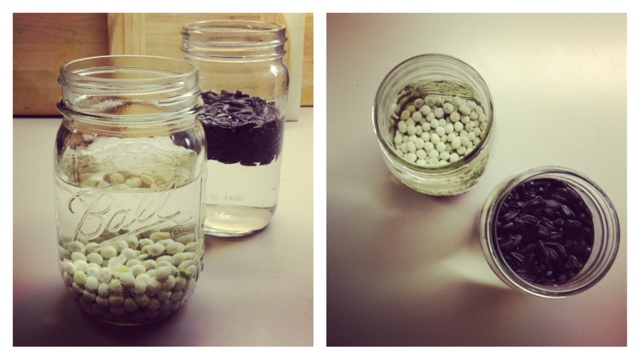
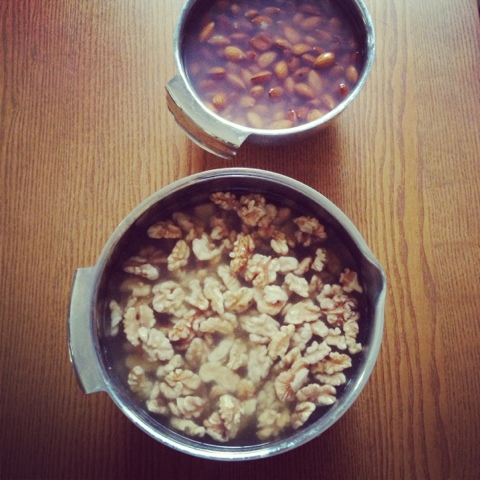
 **Lastly, do you know about soaking your nuts, seeds and grains? Its a simple way to hugely increase their available nutrients and the body's ability to utilize them.


Learn more about soaking and sprouting here and here.